
What is Climate Risk?
Climate risk is the possibility that climate change will negatively affect your organisation, assets, or operations. It's not about whether climate change is happening—it's about understanding what it means for you specifically, and what you can do about it.
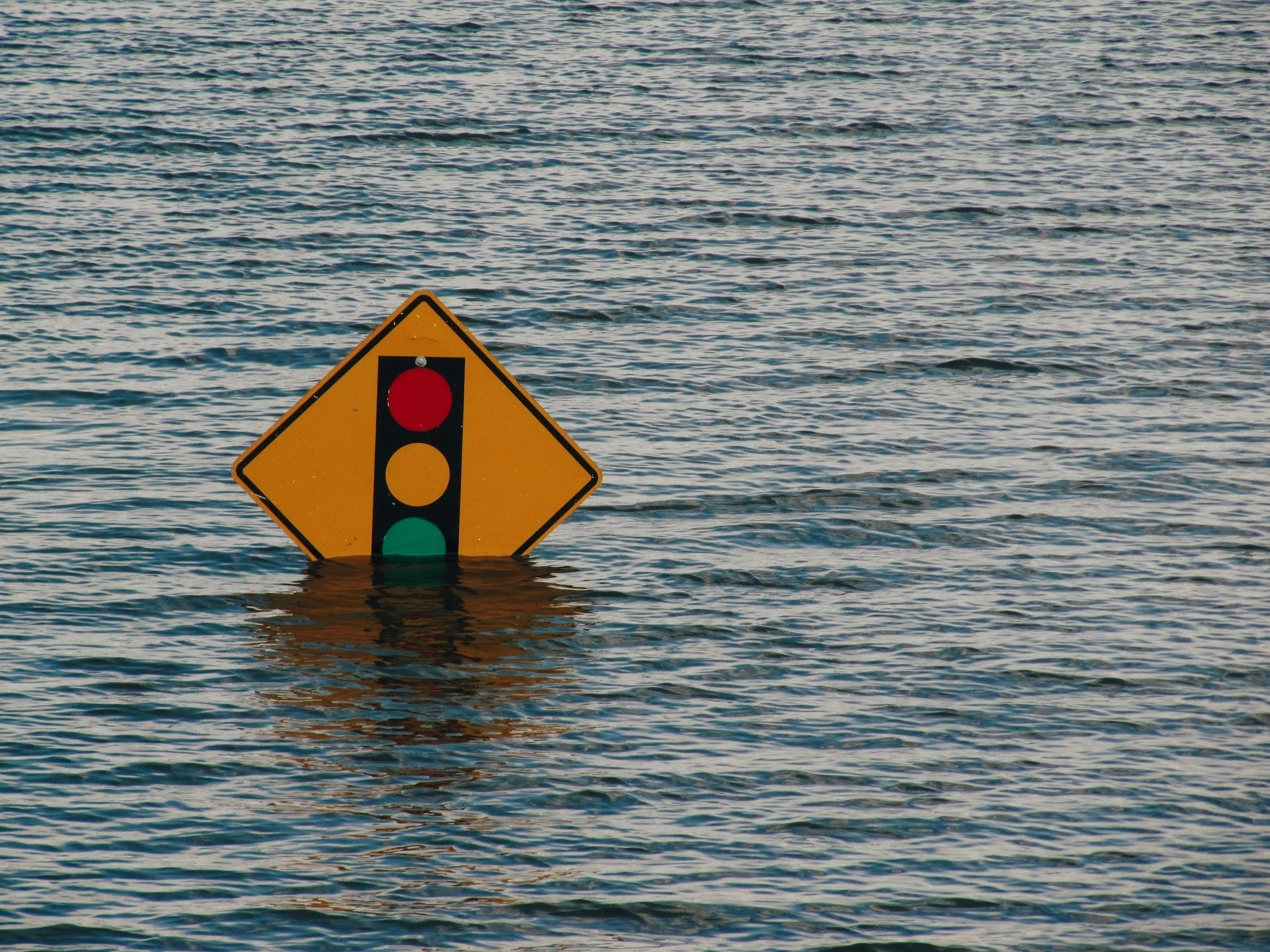
Two types of climate risk
Climate risks generally fall into two categories: physical risks and transition risks.
Physical risks are the direct impacts of a changing climate. Think flooding, droughts, extreme heat, sea level rise, or more intense storms. These can damage infrastructure, disrupt supply chains, affect workforce productivity, or make certain locations less viable for operations. For example, a company with coastal warehouses faces physical risk from sea level rise. A vineyard faces physical risk from changing rainfall patterns and temperature extremes.
Transition risks come from the global shift towards a low-carbon economy. As governments introduce new regulations, technologies evolve, and consumer preferences change, some business models and assets lose value while others gain it. A company heavily reliant on fossil fuels faces transition risk as carbon pricing increases and renewable energy becomes cheaper. A property developer faces transition risk if building standards change to require net-zero emissions.
Why climate risk matters
Climate risk matters because it affects your bottom line, your reputation, and increasingly, your legal obligations.
Financially, climate change can mean higher costs (repairing flood damage, relocating facilities, changing suppliers), lost revenue (disrupted operations, reduced demand for certain products), or stranded assets (infrastructure that becomes unusable or unprofitable).
Reputations can suffer if stakeholders see you're unprepared or contributing to climate problems. Customers, employees, and communities increasingly expect organisations to take climate seriously.
Legally, many organisations now have mandatory climate disclosure requirements. In New Zealand, this includes NZ CS 1-3 standards. Directors and boards have duties to manage material risks—and climate is increasingly recognised as material.
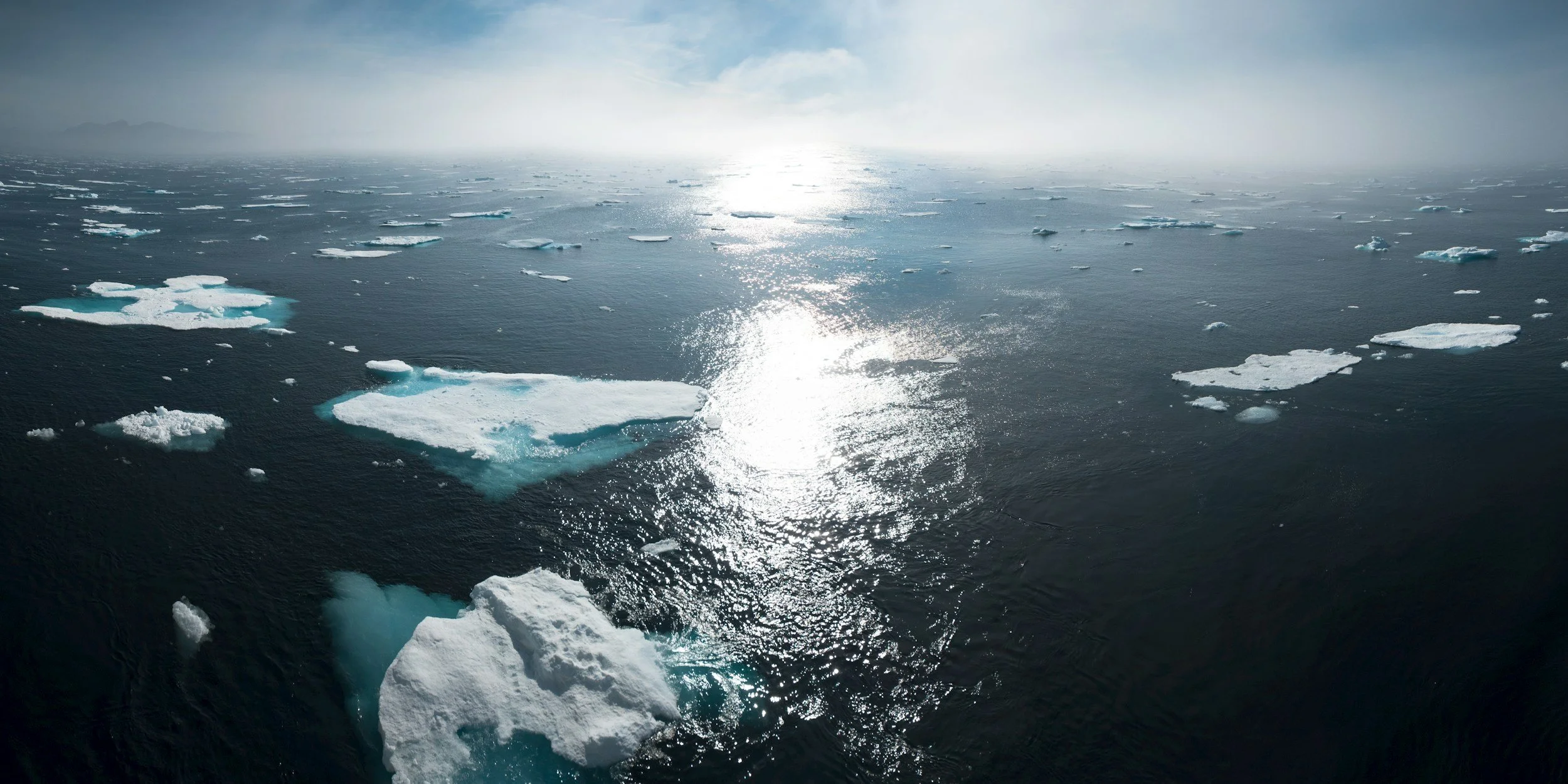
Managing Climate Risk
Managing climate risk isn't about predicting the future perfectly. It's about understanding your exposure, testing different scenarios, and building resilience.
This typically involves:
Identifying what climate changes could affect your organisation
Assessing how severe and likely these impacts are
Quantifying the potential financial consequences where possible
Planning how to adapt, reduce exposure, or take advantage of opportunities
Monitoring as the situation evolves
The good news? Climate risk can be managed like any other strategic risk. It requires attention and planning, but it doesn't have to be overwhelming. Many organisations find that once they start looking systematically at climate risk, the path forward becomes clearer—and they often spot opportunities they hadn't considered.
The key is to start now. Climate change is already affecting business decisions, and those who understand their risks—and act on them—will be better positioned for whatever comes next.
Need help understanding your climate risk? At onepointfive, we help organisations identify, assess, and manage climate risks without the jargon or complexity. Get in touch to start the conversation.
